Search bar
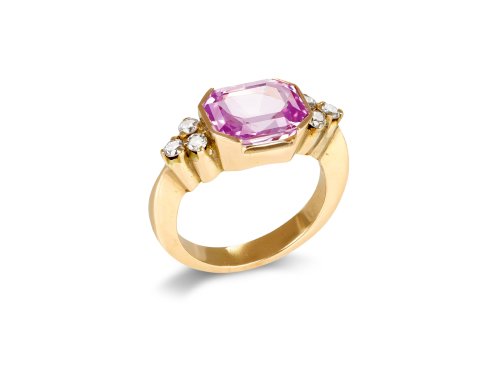
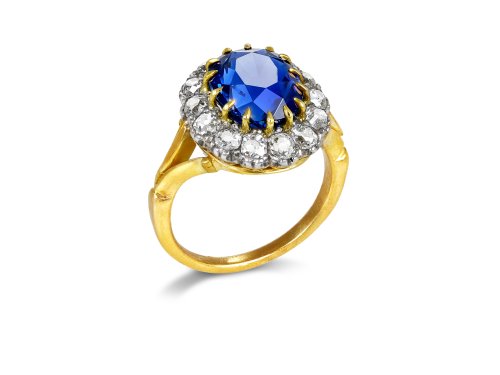
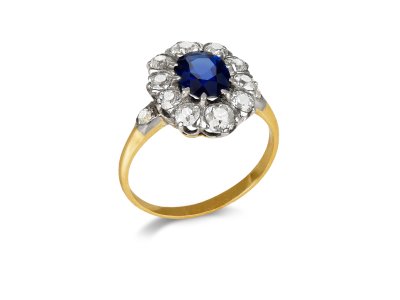
7 Padparadscha Sapphire Rings

The stories behind our Padparadscha Sapphire Rings
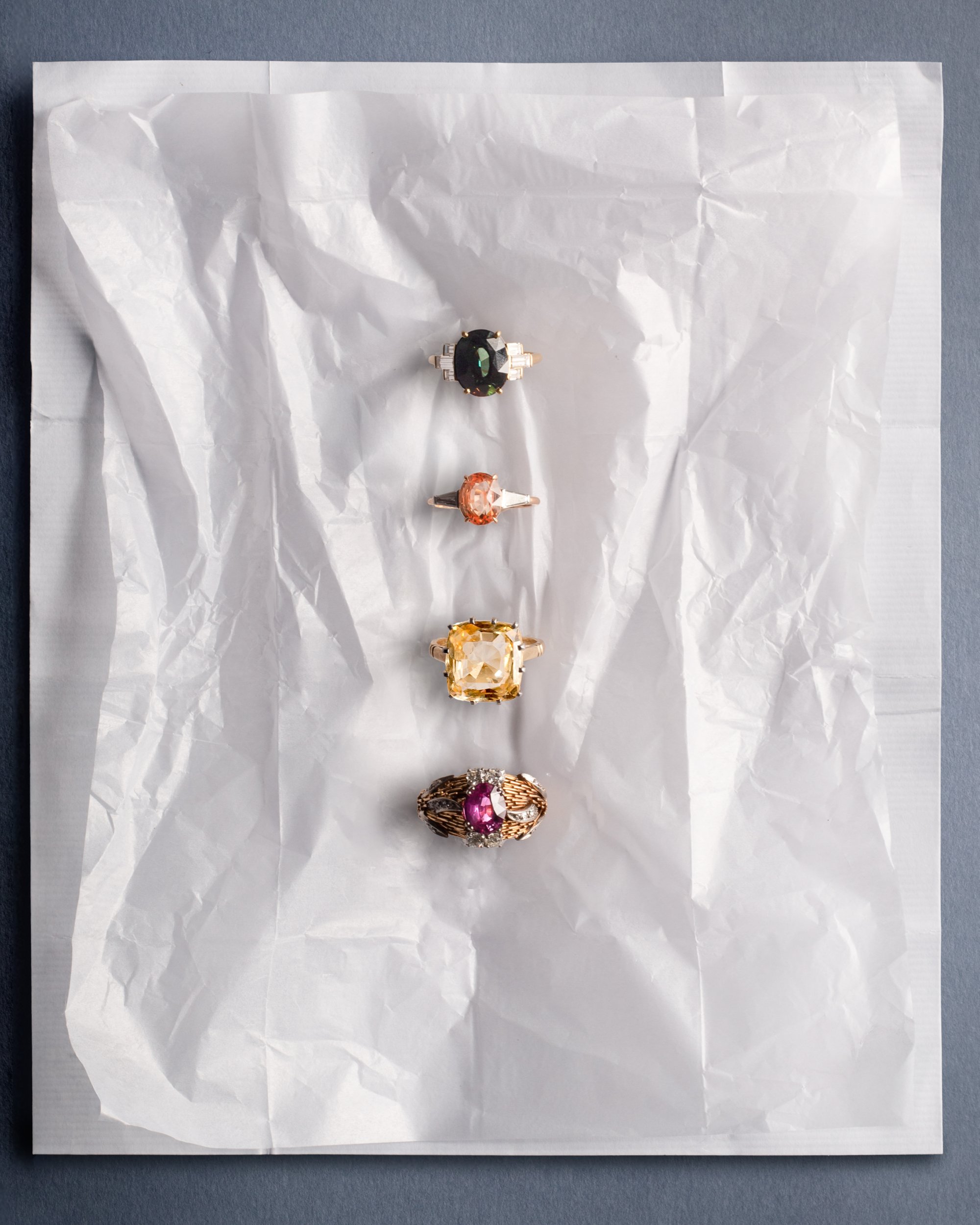
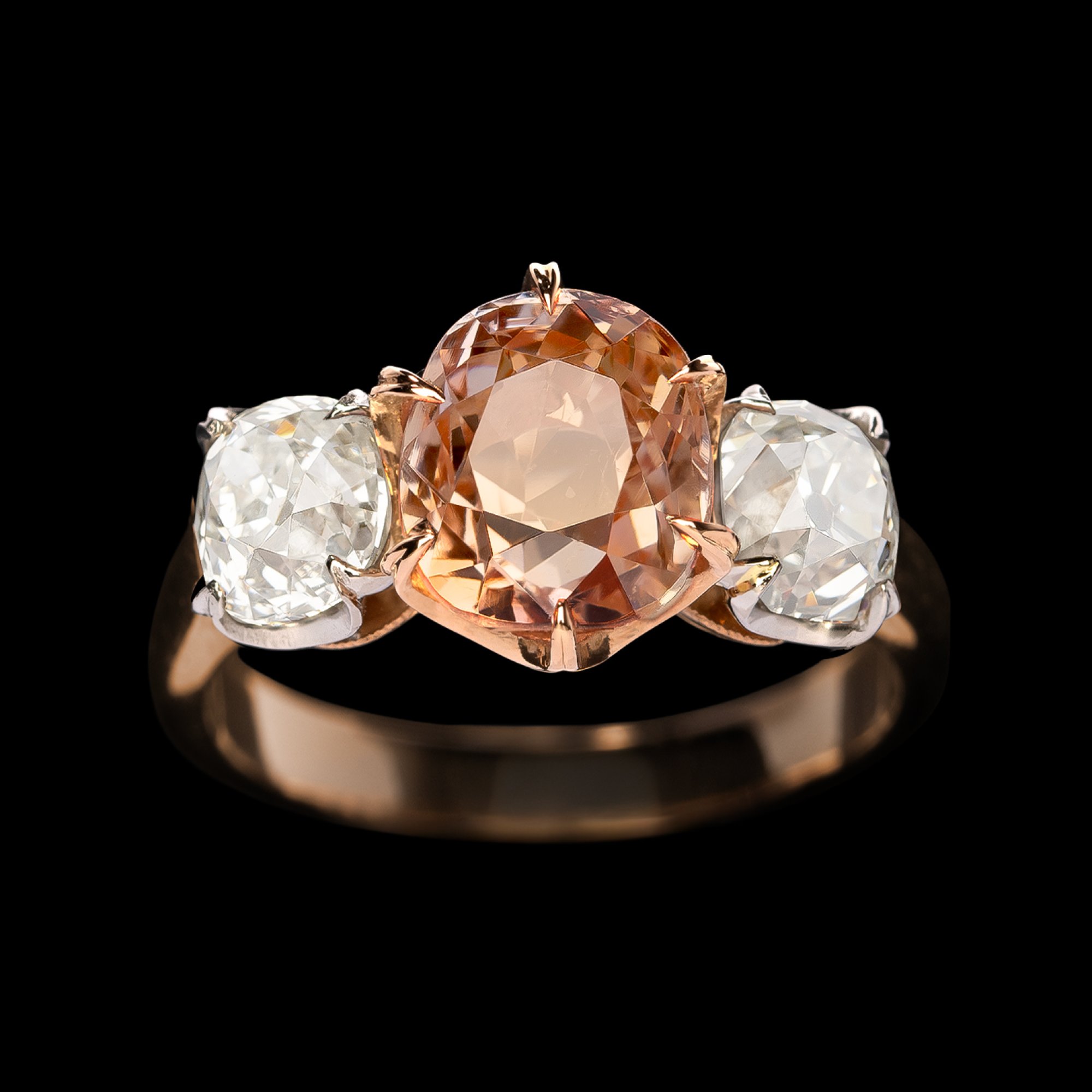
The name Padparadscha derives from the Sinhalese word for lotus blossom ‘padmaraga’, named for its similarity in colour to a lotus blossom at sunset. Padparadscha sapphires have been mined and traded for centuries; however, it wasn't until the 1950s that gemmological laboratories first began classifying them as their own gemstone. 

Padparadscha sapphires are extremely rare, often described as being the rarest sapphire colour. Of all the sapphires mined both today and earlier in the eighteenth and nineteenth centuries, it is estimated that well below 1% of production is classified as true padparadscha. 

What to look for when buying a Padparadscha Sapphire Ring

When choosing a Padparadscha sapphire ring, several factors can influence both its beauty and value. From the balance of colour to its origin, treatment and certification, understanding what to look for can help you identify an exceptional stone. Padparadscha are valued not only for their rarity but their individual character; no two natural stones will ever be alike. 

In our experience, the finest padparadscha sapphire rings will be pastel in their colour; this gives them an almost ethereal glow when light passes through the stone. Natural untreated padparadscha have significant investment and appreciation potential due to their extreme scarcity; when compared with lab-grown or treated examples of comparable quality, a natural padparadscha will always command a premium, as they are the far rarer object. 

Consideration What to look for At Berganza What to avoid
Colour

A lively balance between pink and orange, medium to light tone, moderately saturated with excellent transparency.

Every padparadscha sapphire in our collection is selected for its extraordinary colour, ensuring we select only the finest stones.

Avoid stones with uneven colour, excessive pink or orange tones, or distracting brown or grey undertones.

Treatments

A natural untreated padparadscha sapphire with stable colour. Treatment status clearly disclosed.

All our Padparadscha sapphire rings are natural and untreated, preserving their exceptional natural colour.

Stones with undisclosed treatments or heat and diffusion treatments that affect colour balance and stability.

Certification

Independent certification confirming natural origin and identity as padparadscha.

Each stone is both assessed in-house by our gemmological team and independently certified through reputable gemmological laboratories such as GCS (Gemmological Certification Services), SSEF and Gubelin.

Stones with unsupported Padparadscha claims or treatments that artificially enhance their colour.

Authenticity & Provenance

A padparadscha in its original mount, with appropriate craftsmanship, wear, materials and marks, and provenance supported by substantive evidence.

Each piece is examined and researched for originality, condition, period, materials and construction, distinguishing documented provenance from attribution based on its physical characteristics.

Reproduction, or ‘in the style of’, heavily altered settings presented as original, undisclosed replacements and unsubstantiated claims about known ownership, age, materials, maker or historical importance.

Guides and inspiration
Berganza Ltd