Berganza
Login
New here?
Create account
Forgotten password?
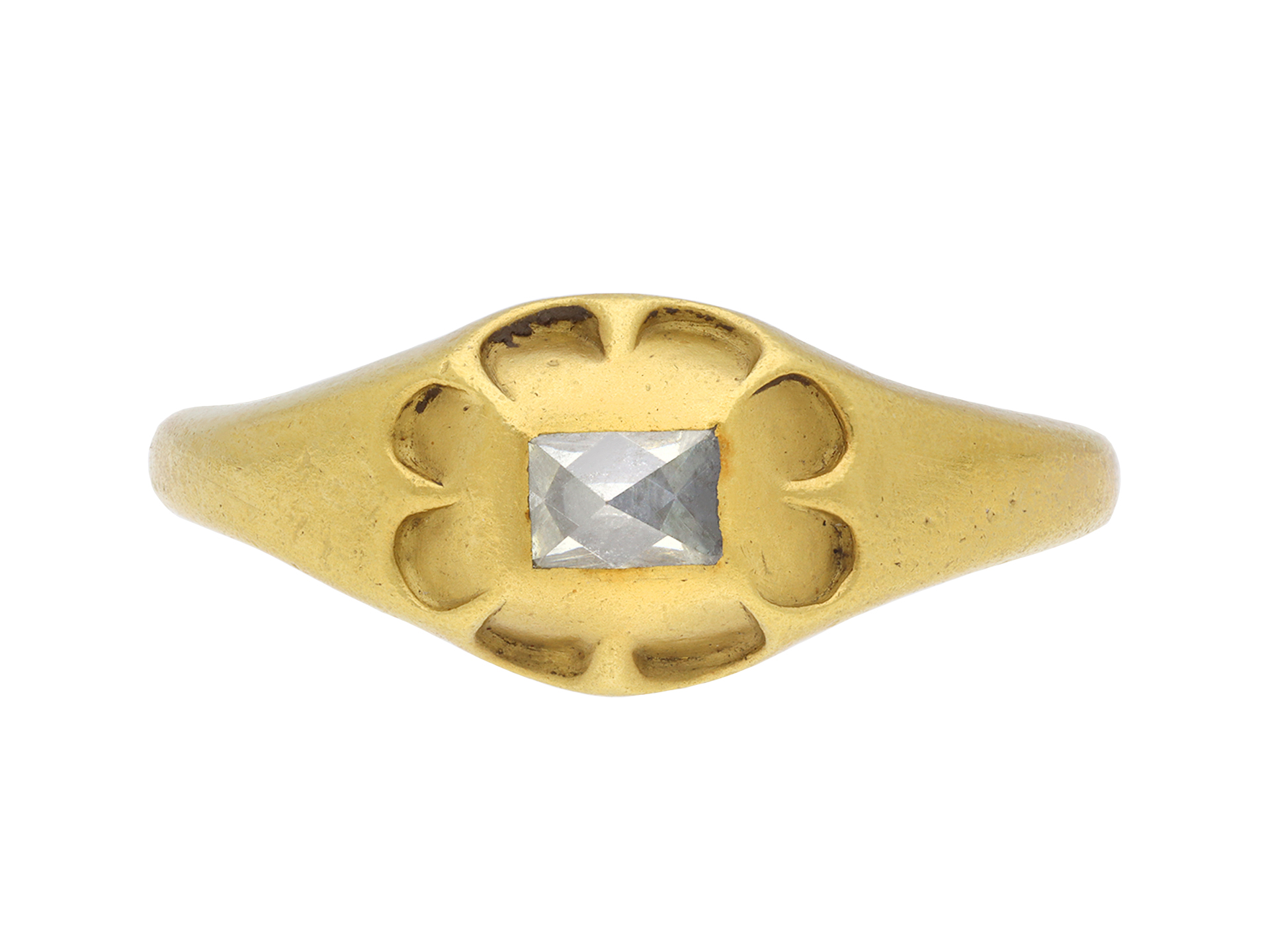
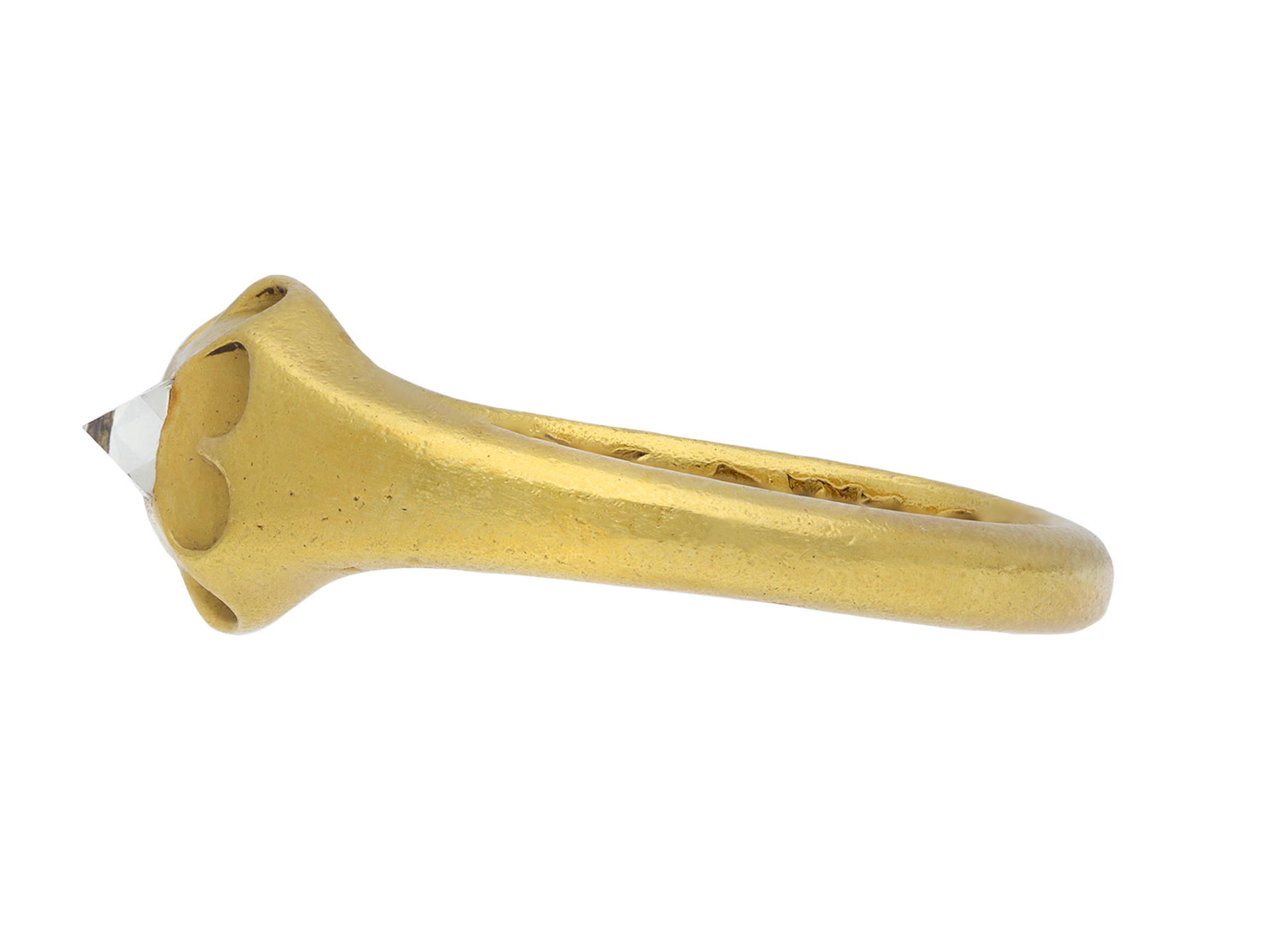
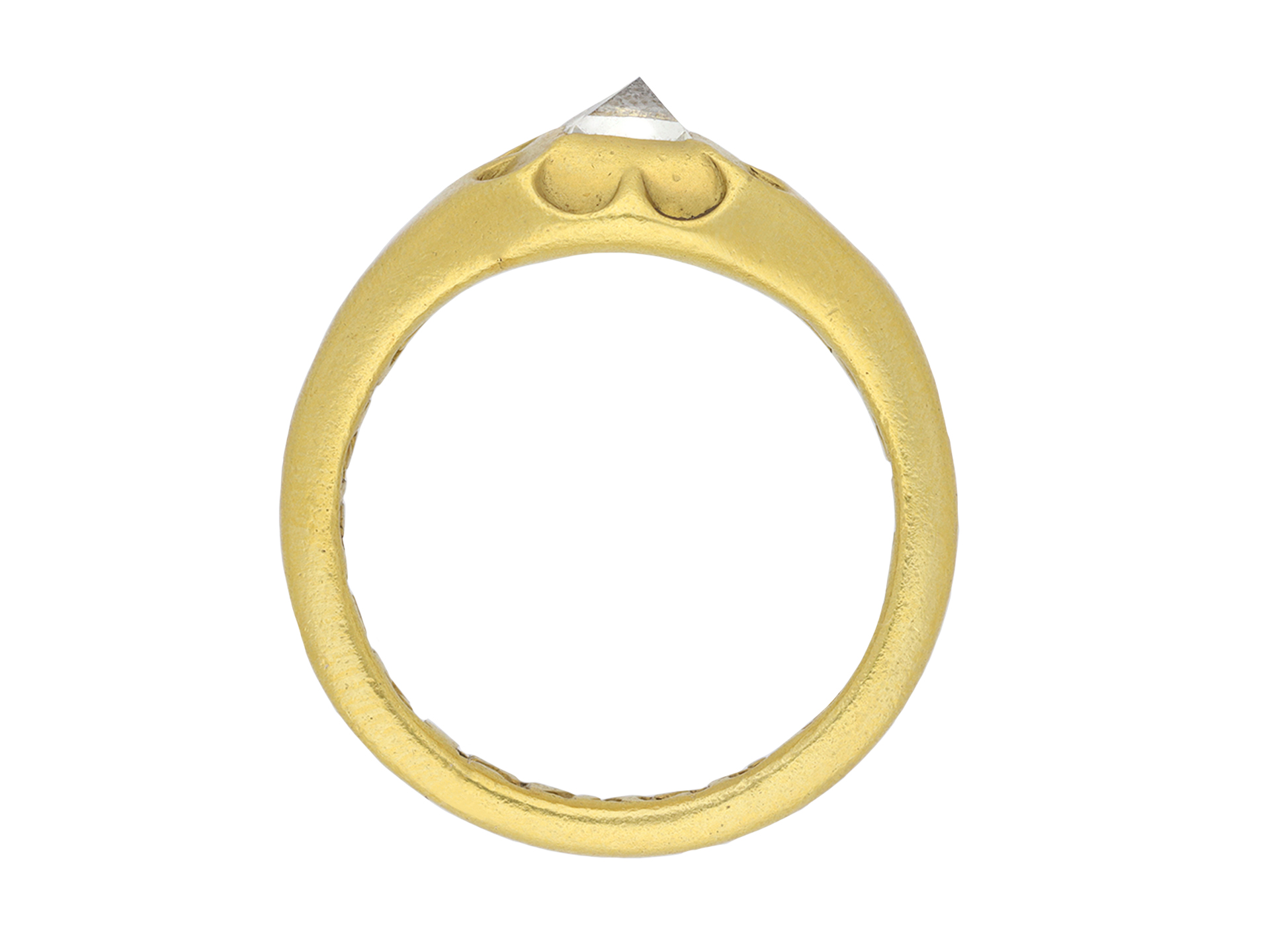
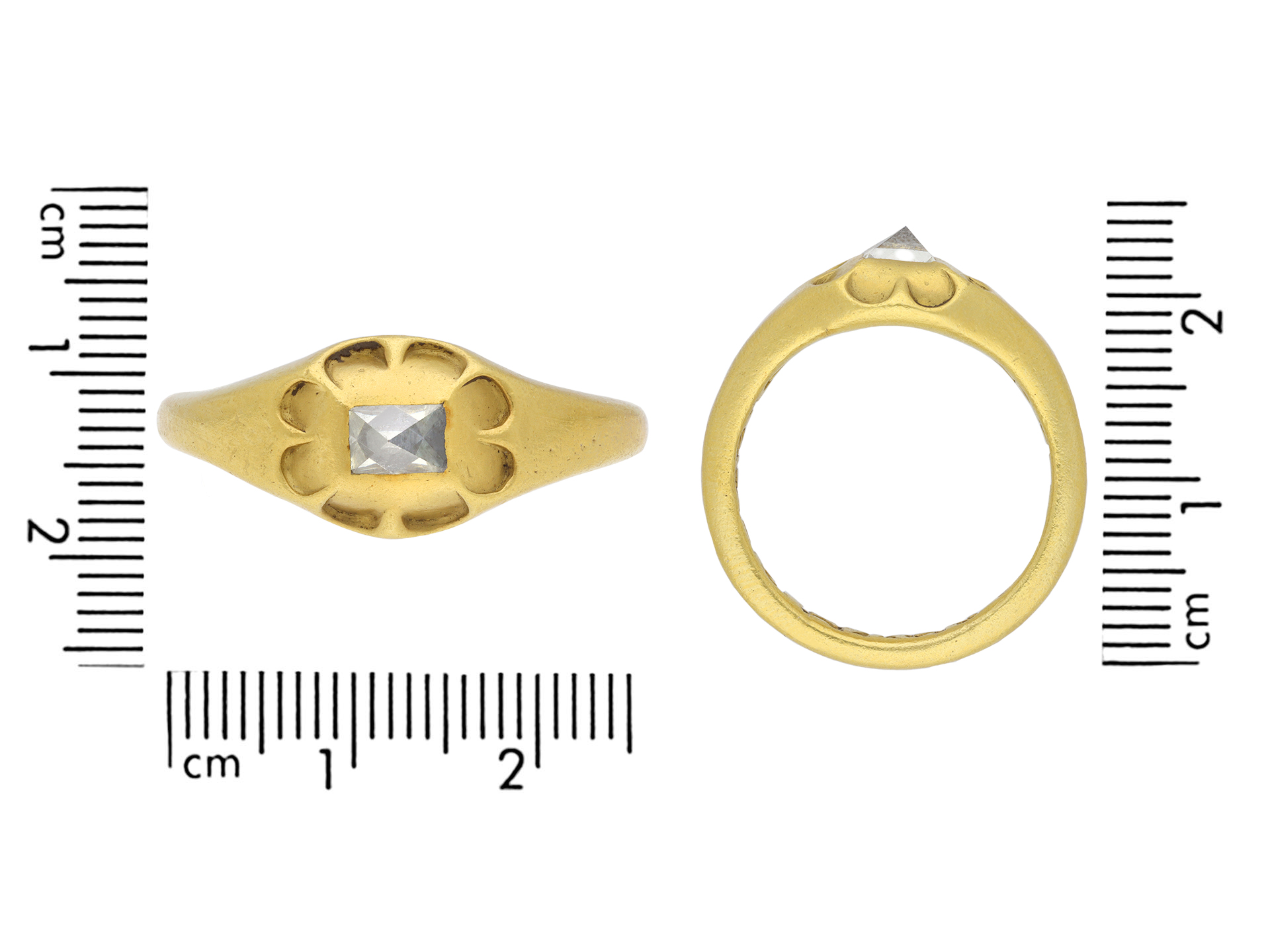
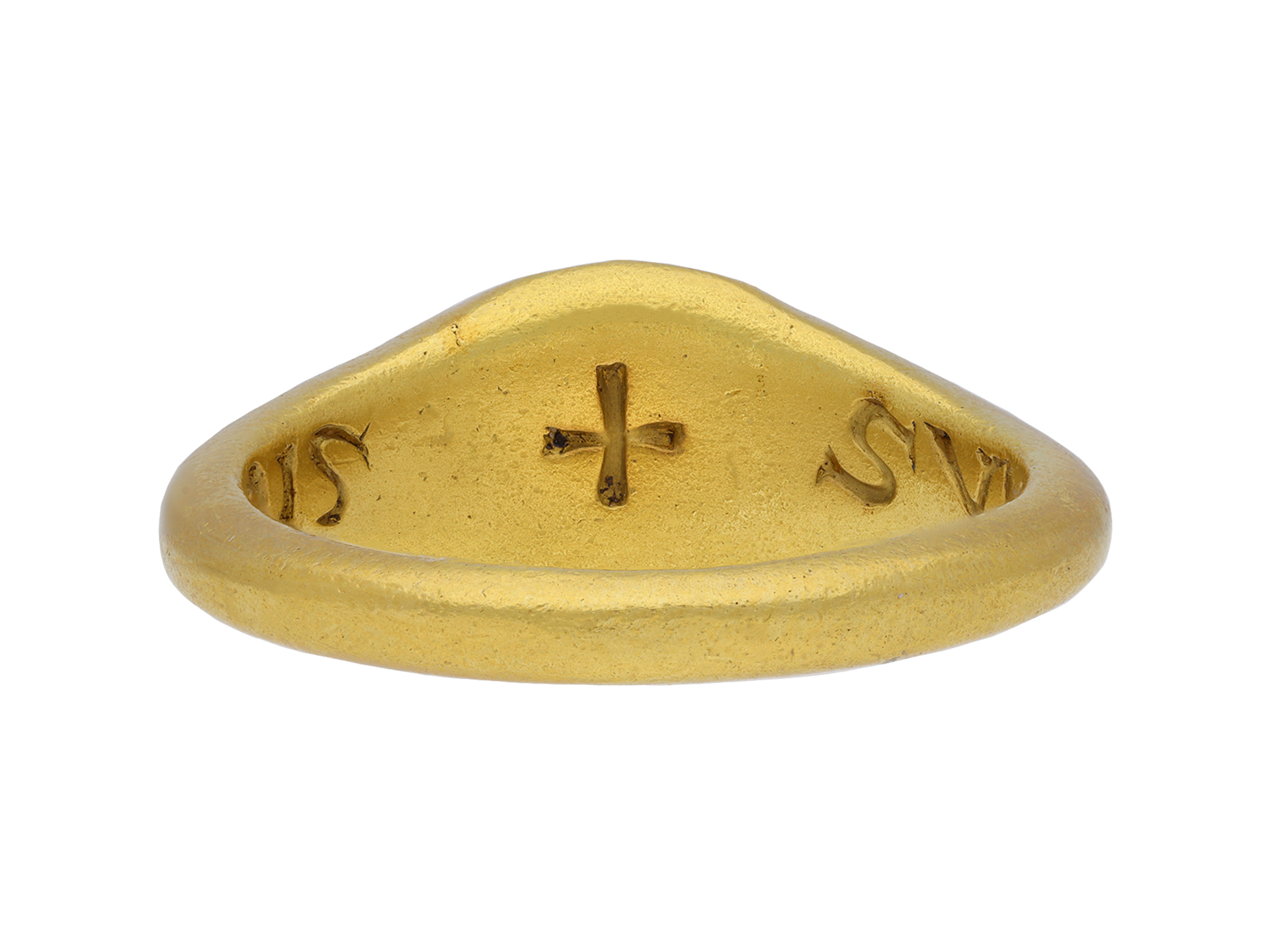
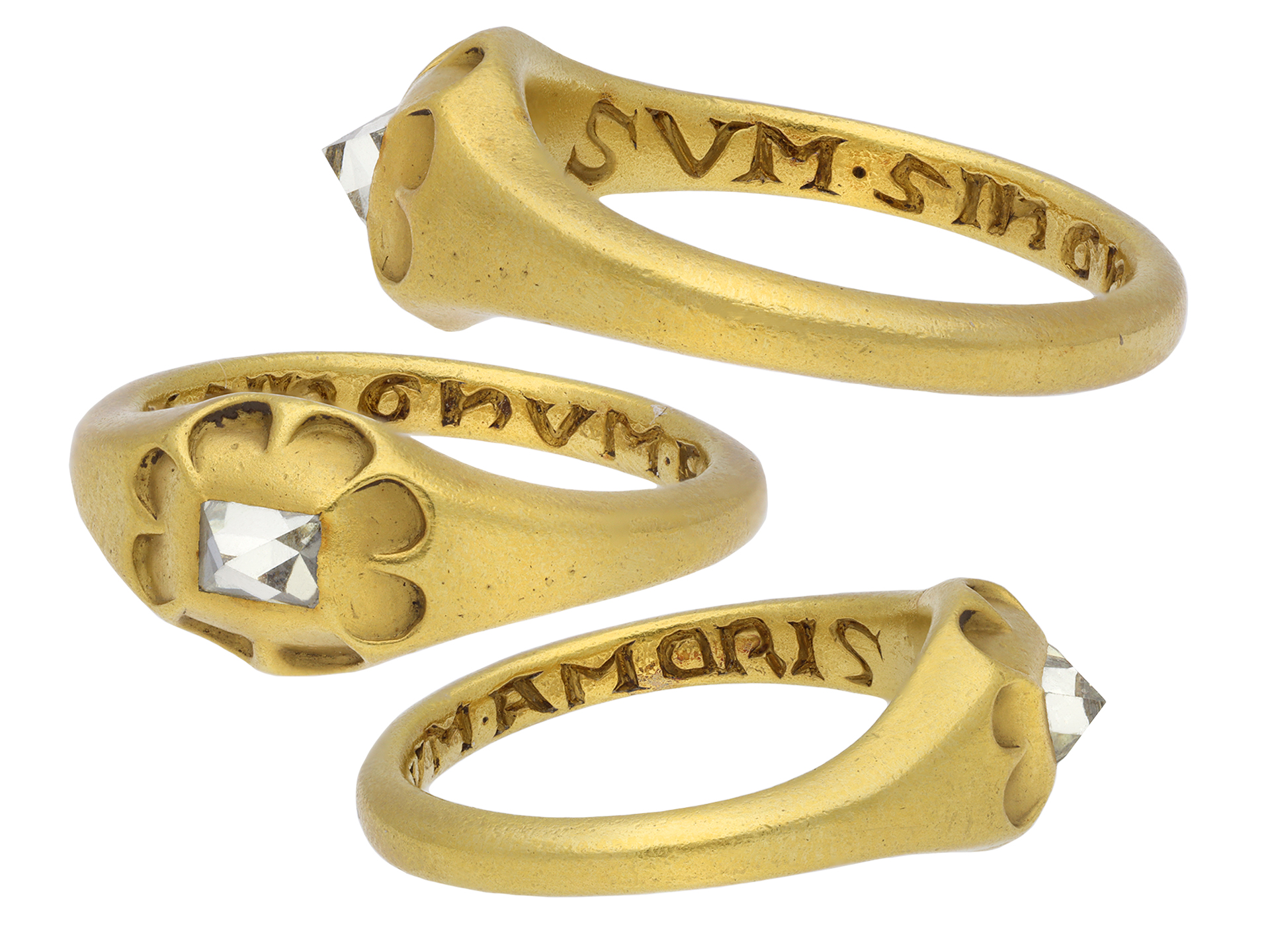
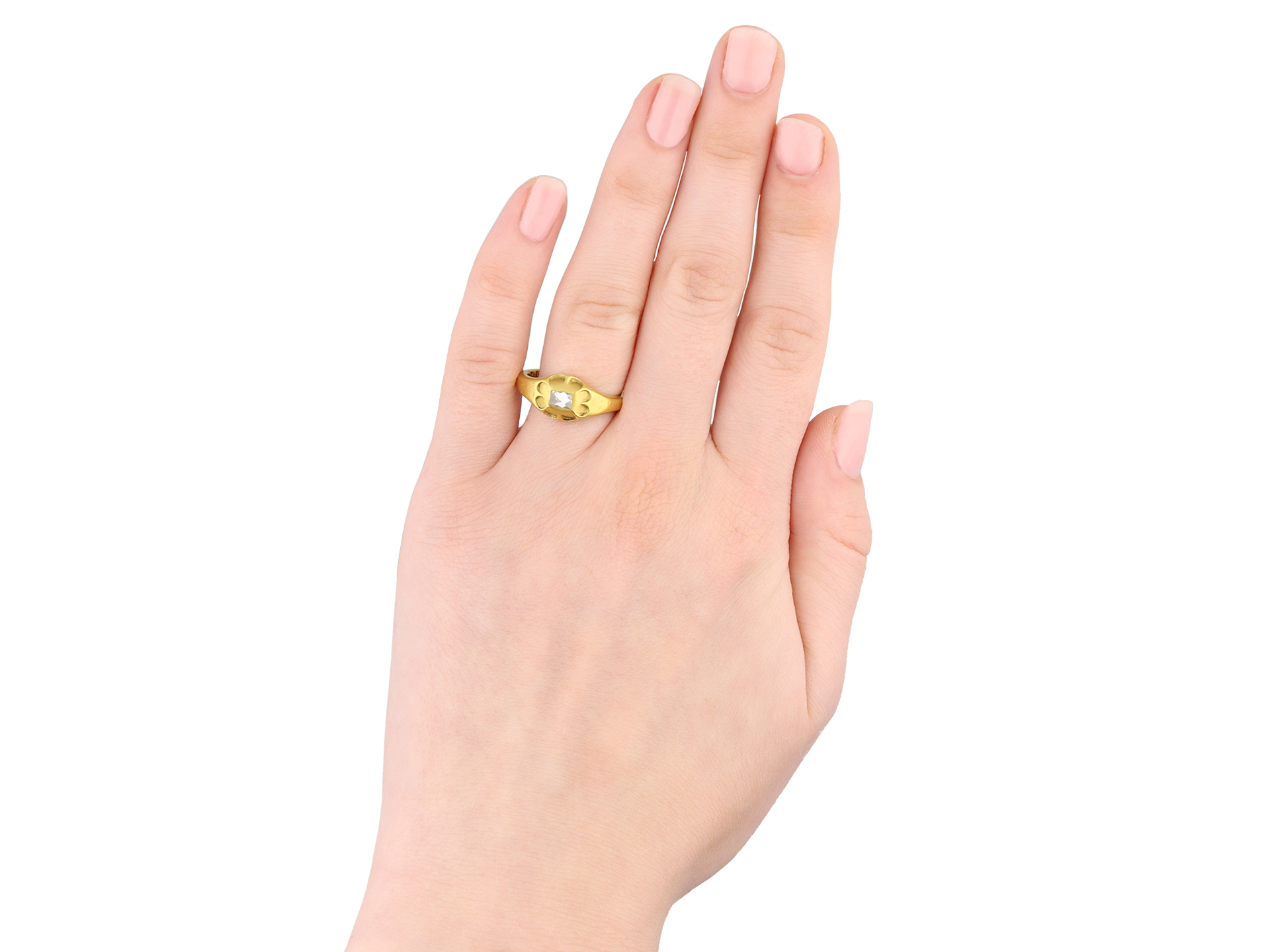
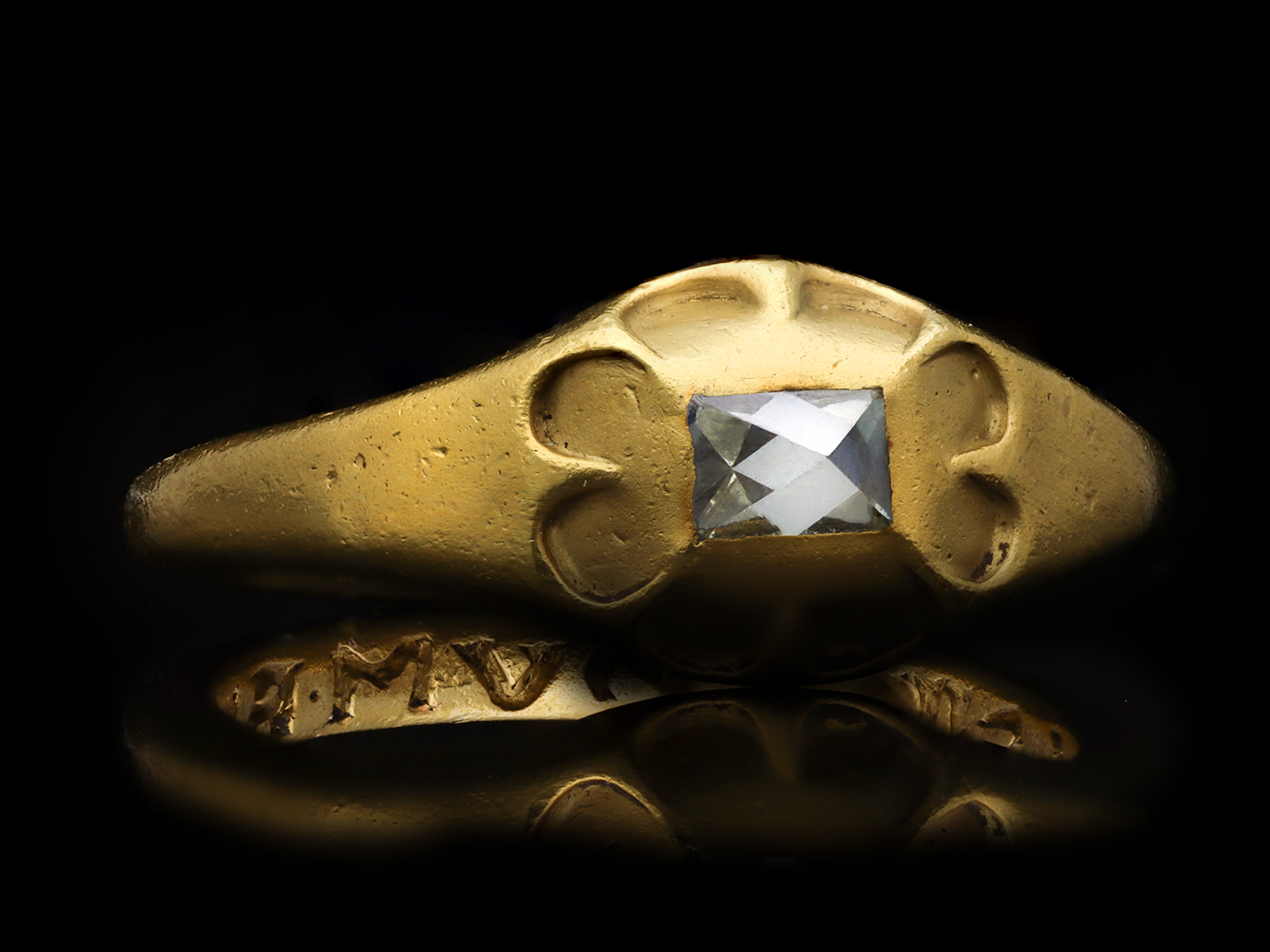

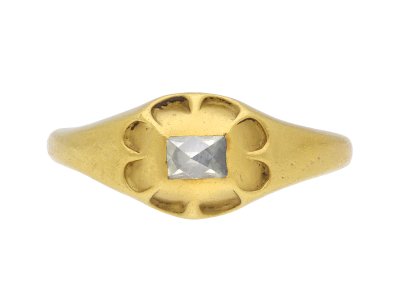
Handcrafted over 500 years ago during the rule of the Tudors, this was a time when fine jewellery was only attainable by the upper nobility, and royalty. As such, it is very possible that many of these pieces would have been worn at court, tangible witnesses to historic events which we have only read about in books. This particular ring showcases one of the earliest ways of fashioning a diamond. Following the octahedral shape of the rough diamond crystal, it comes to a perfect point, and whilst this is not technically a cut, as the shape of the diamond remains largely unaltered, these diamonds are today known as ‘point cuts’. Extremely rare to come by, they were often re-cut over the centuries as other diamond cuts were developed, making the survival of this piece a true rarity. This is likely one of the earliest examples of a diamond set betrothal ring, but it is the addition of the posy to the interior which turns this ring from a symbol of marriage, to perhaps something more intriguing. Enscribed in Latin, the language of the nobility, this posy translates to ‘I am a token of love.’ At a time when the majority of marriages between those in the upper echelons of society were marriages of convenience or alliance, this posy suggests that maybe this was a rare example of a love match.







 Complimentary 14 Day Returns
 Fast & Insured UK Delivery
 Lifetime Aftercare Service